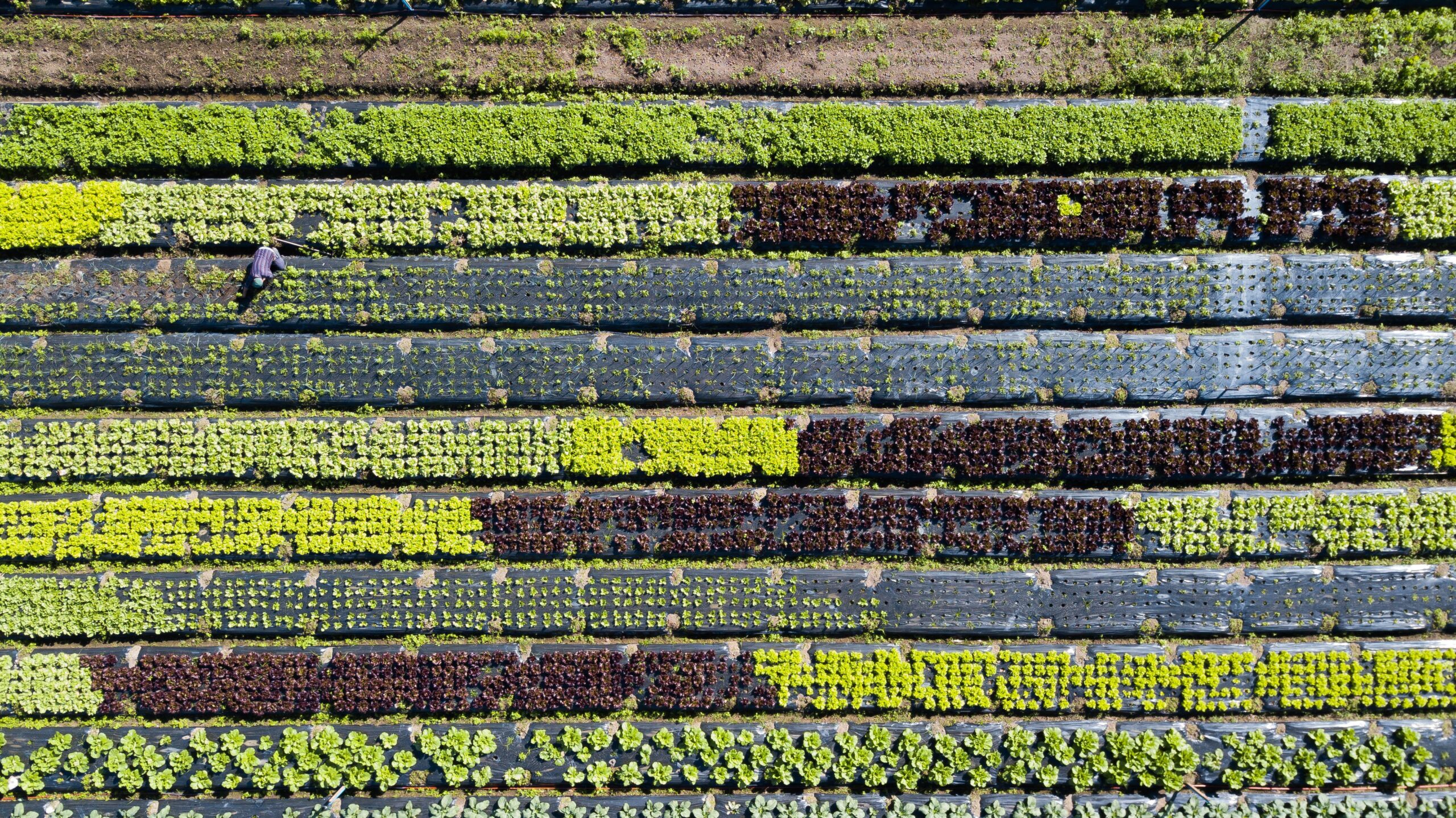
There are some encouraging global trends in protecting terrestrial ecosystems and biodiversity. Forest loss is slowing down, more key biodiversity areas are protected and more financial assistance is flowing towards biodiversity protection. Yet, the 2020 targets of Sustainable Development Goal 15 are unlikely to be met, land degradation continues, biodiversity loss is occurring at an alarming rate, and invasive species and the illicit poaching and trafficking of wildlife continue to thwart efforts to protect and restore vital ecosystems and species.
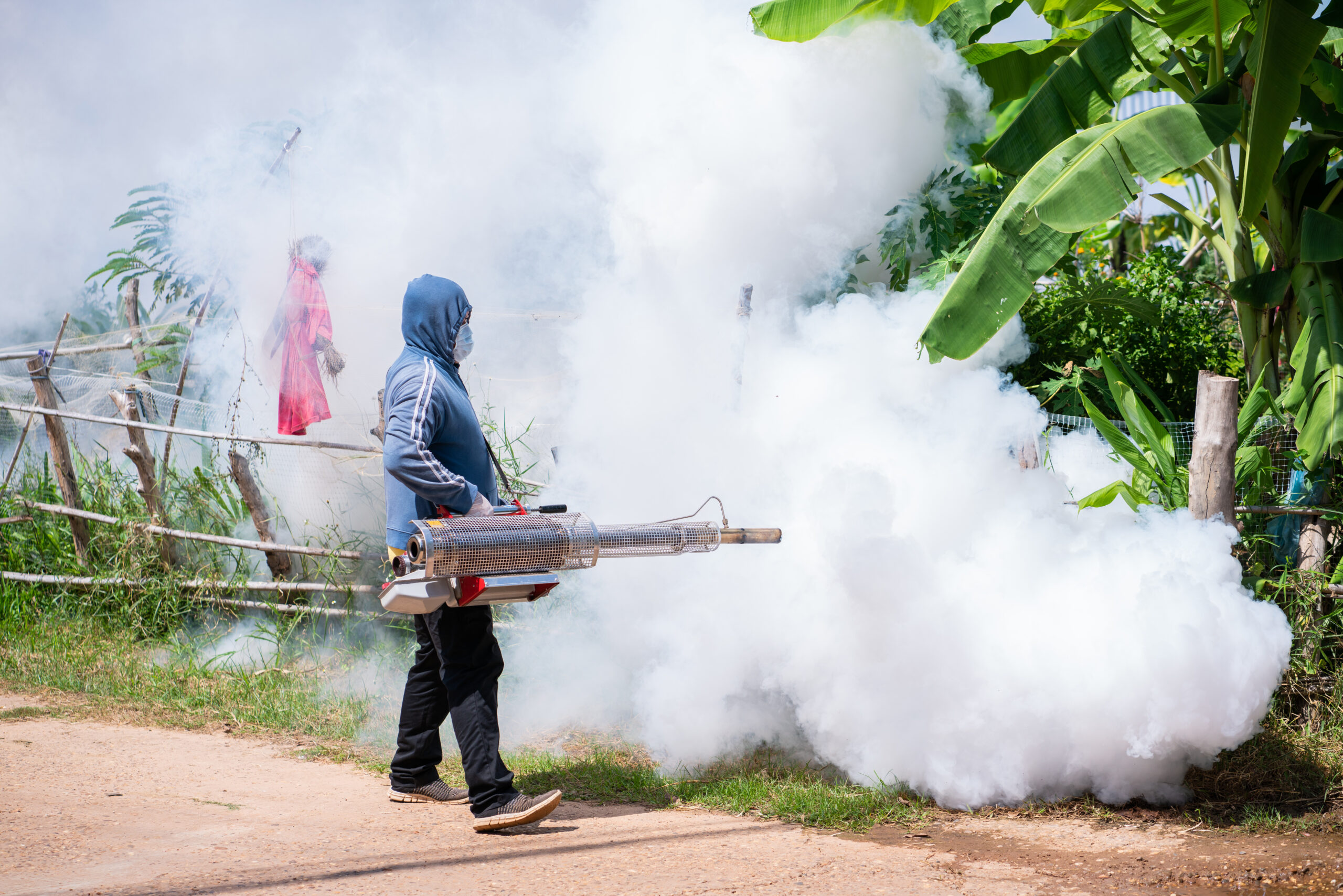
Worker fogging machine spraying smoke to eliminate mosquitoes.Prevention of epidemics in the rainy season and general location in community.
The DIRE Platform: Predicting Outbreaks, Preparing Responses - Empowering health officials in Brazil and Peru to anticipate dengue and malaria surges and mobilize resources before cases spike.
Baja California SDGs Monitoring Dashboard The dashboard translates the globally agreed Sustainable Development Goals into metrics that can guide decisions and progress of Baja California’s communities — Gordon McCord, Director, SDGPI Visit…
Meeting ambitious climate targets will require deploying the full suite of mitigation options, including those that indirectly reduce greenhouse-gas (GHG) emissions. Healthy diets have sustainability co-benefits by directly reducing livestock…
Mexico aims to develop highly productive and sustainable food systems that ensure national self-sufficiency. This paper employs an integrated land-use modeling tool—the FABLE Calculator—to estimate the degree of policy ambition…
There is an urgent need for countries to transition their national food and land-use systems toward food and nutritional security, climate stability, and environmental integrity. How can countries satisfy their…
Through a field experiment in Indonesia, we show that worker productivity was 8.22% lower in deforested relative to forested settings, where wet bulb globe temperatures were, on average, 2.84 °C…
Historically, human uses of land have transformed and fragmented ecosystems, degraded biodiversity, disrupted carbon and nitrogen cycles, and added prodigious quantities of greenhouse gases (GHGs) to the atmosphere. However, in…
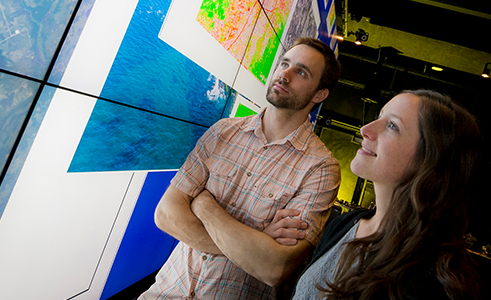
The Big Pixel Initiative is developing geospatial capacity to address our world’s greatest challenges at scale. Founded in partnership at UC San Diego’s Qualcomm Institute and School of Global Policy…
Technological transformations open new opportunities and disrupt old patterns. Founded in 2006, Center on Global Transformation (CGT) provides a new framework for vanguard exploration of topics critical to analyzing and…
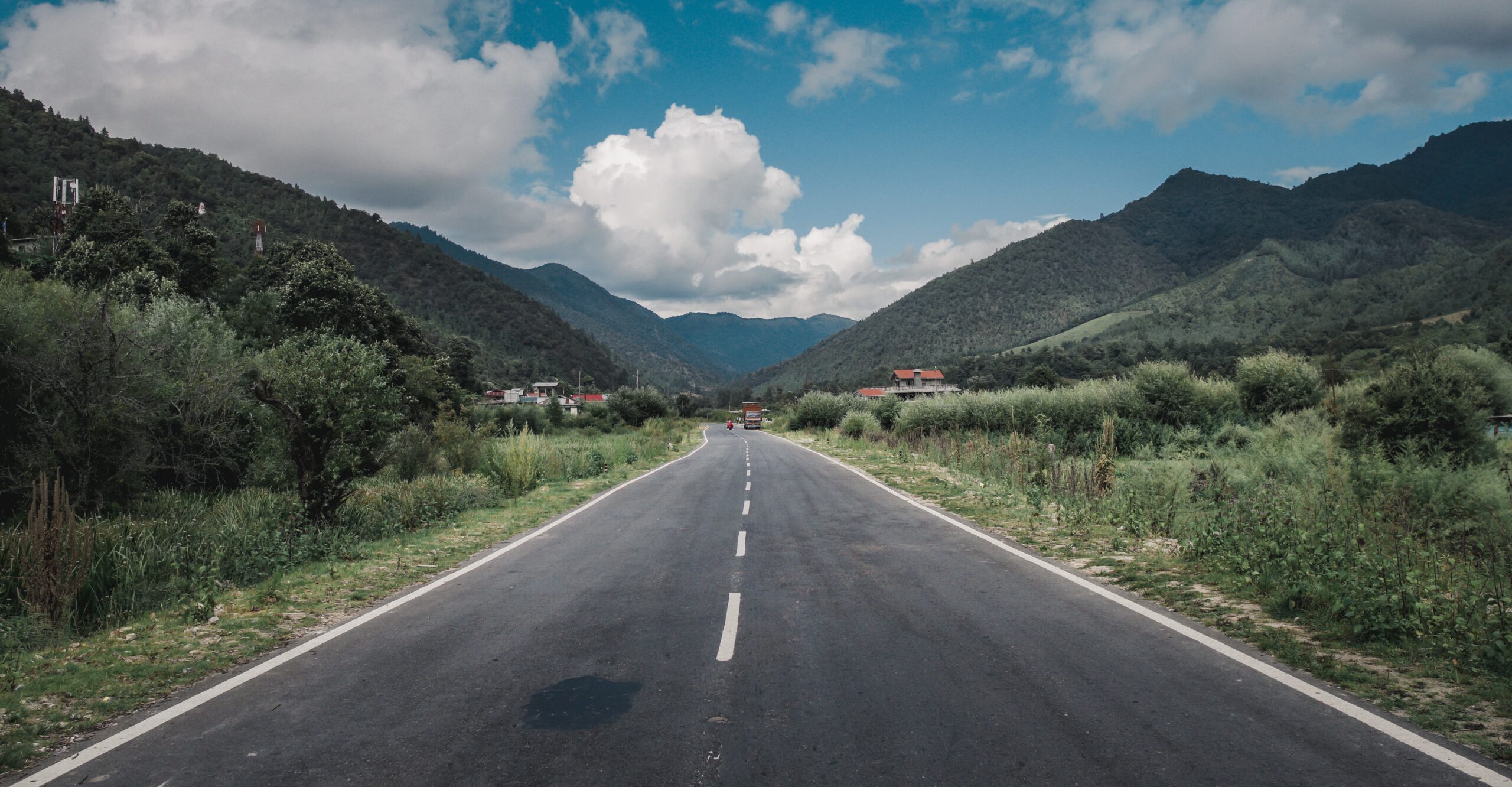
There is a long-standing debate over whether new roads unavoidably lead to environmental damage, especially forest loss, but causal identification has been elusive. Using multiple causal identification strategies, we study…